
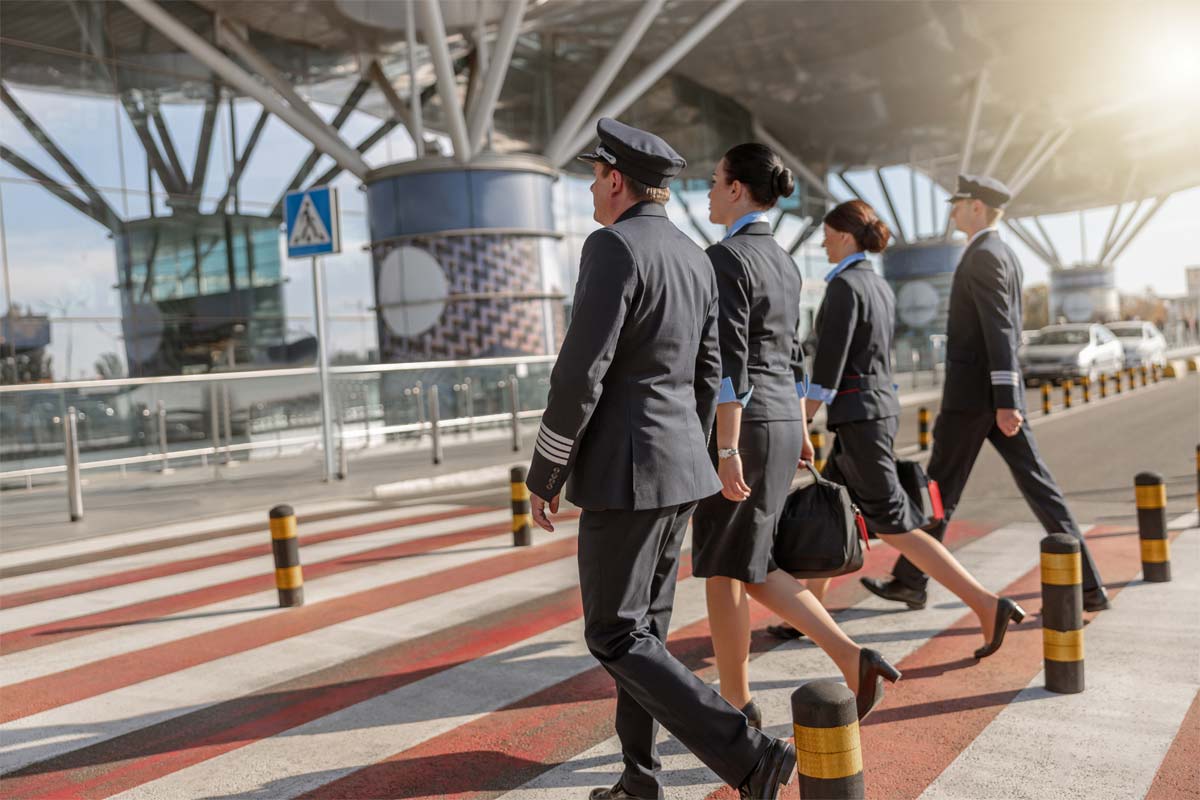
The aviation industry faces significant challenges in 2025: increased passenger expectations, rapid technological evolution, and stricter safety standards. In this environment, staff skills determine the quality of passenger experience and business success.
According to international studies, 70% of passengers consider service quality more important than ticket price. At the same time, incidents related to human error remain the main challenge for the industry.
This article examines the five critical skills that airline staff must possess to meet modern requirements.
1. Customer Service and Difficult Situation Management
Why It’s Critical?
Airline staff deal daily with passengers with different needs and emotional states. Delays, cancellations, and lost luggage create dissatisfied passengers who require immediate and effective management.
Key Skills
Active Listening:
- Full focus on the passenger without interruptions
- Understanding the real problem
- Confirming that the message was understood
De-escalation Techniques:
- Maintaining calm tone and body language
- Acknowledging passenger emotions
- Focusing on the solution, not the problem
- Offering alternatives where possible
Cross-cultural Communication:
- Understanding different cultural norms
- Adapting communication according to cultural background
- Avoiding misunderstandings due to language differences
2. Safety, First Aid, and Emergency Management
The Criticality of Preparedness!
Safety is the absolute priority. Every crew member must be ready to handle emergencies—from medical incidents to evacuations. Statistics show that a medical incident occurs every 604 flights worldwide.
Key Areas of Knowledge:
Basic First Aid:
- Cardiopulmonary resuscitation (CPR)
- Use of automated external defibrillator (AED)
- Managing choking and bleeding
- Treating injuries
In-flight Medical Incidents:
- Recognizing heart attack symptoms
- Managing diabetic crises
- Handling allergic reactions
- Assisting in emergency situations
Evacuation and Safety Procedures:
- Quick situation assessment
- Clear instructions to passengers
- Coordination with crew
- Managing aggressive behavior
3. Leadership, Teamwork, and Decision-Making
Why Leadership Is Essential?
The crew operates as a team under pressure with limited time for decisions. Every member must be able to take a leadership role when needed. Lack of effective communication has been linked to serious safety incidents.
Leadership Skills:
Decision-Making Under Pressure:
- Quick situation assessment
- Prioritization (safety first)
- Decisiveness without authoritarianism
- Flexibility to change course
Effective Communication:
- Clear, concise instructions
- Confirming message understanding
- Informing all stakeholders
- Using appropriate terminology
Team Coordination:
- Role allocation based on strengths
- Progress monitoring
- Supporting members facing difficulties
- Leveraging others’ experience
Crew Resource Management (CRM):
CRM focuses on using all available resources for safe flights:
- Open communication without hierarchical barriers
- Encouraging all members to speak up
- Culture of learning from mistakes
- Continuous process improvement
4. Technological Proficiency and Digital Skills
The Digital Reality
Technology has transformed every aspect of aviation. From check-in to boarding, digital systems are everywhere. Staff who are not comfortable with technology create delays and errors.
Essential Technological Skills:
Communication Applications:
- Real-time updates on changes
- Coordination with ground crew
- Incident reporting
- Access to passenger information
In-flight Technology:
- Assistance with entertainment systems
- Basic troubleshooting
- Managing digital orders
- Digital security and data protection
Continuous Adaptation:
New systems are constantly introduced. Staff need:
- Positive attitude toward change
- Self-education capability
- Open mind for new procedures
- Willingness to help colleagues
5. Empathy and Emotional Intelligence
The Human Dimension
Every passenger has a different story and emotional state. The ability to recognize and adapt the approach is critical to the passenger experience.
Elements of Emotional Intelligence:
Self-awareness:
- Recognizing your own emotions
- Understanding how stress affects performance
- Knowing personal triggers
- Honesty about strengths and weaknesses
Self-regulation:
- Maintaining professionalism in difficult situations
- Controlling reactions
- Recovering from stressful incidents
- Managing fatigue
Empathy:
- Reading body language
- Understanding unexpressed needs
- Recognizing when additional support is needed
- Respecting personal boundaries
Social Skills:
- Building rapport quickly
- Adapting communication style
- Managing conflicts constructively
- Effective collaboration
How These Skills Are Developed
Theoretical Knowledge:
- Understanding principles and best practices
- Studying real case studies
- Knowledge of regulations and protocols
Practical Training:
- Role-playing scenarios
- Emergency simulations
- Hands-on equipment practice
- Team exercises
Feedback and Improvement:
- Observation by trainers
- Peer feedback
- Structured debriefing
- Continuous assessment
Continuous Learning:
- Regular refresher courses
- On-the-job mentoring
- Self-assessment tools
- Microlearning modules
The Importance of Practical Experience
Real learning comes from experience:
- Shadowing: Observing experienced colleagues
- Mentorship: Guidance from senior crew members
- Gradual responsibility: Taking on more complex tasks
- Reflective practice: Performance evaluation
Measuring Effectiveness
Key Success Indicators:
Passenger Satisfaction:
- Customer satisfaction scores
- Online reviews and ratings
- Reduction in complaints
- Increase in repeat customers
Safety:
- Reduction in incidents
- Compliance with safety protocols
- Faster response to emergencies
Operational Performance:
- Improved boarding time
- Process accuracy
- On-time performance
Staff Satisfaction:
- Employee engagement
- Retention rates
- Professional development
These five skills—customer service, safety, leadership, technological proficiency, and emotional intelligence—form the core of success in the aviation industry in 2025.
They are not simply “nice to have” skills, but essential prerequisites for:
- Safe flights
- Satisfied passengers
- Effective operations
- Competitive advantage
Airlines that invest in developing these skills create teams ready to face every challenge and deliver exceptional experience on every flight.
Continuous training and development is not an expense—it’s an investment in the future.


No Comments